Industries We Serve
Our desiccants are used across multiple industires
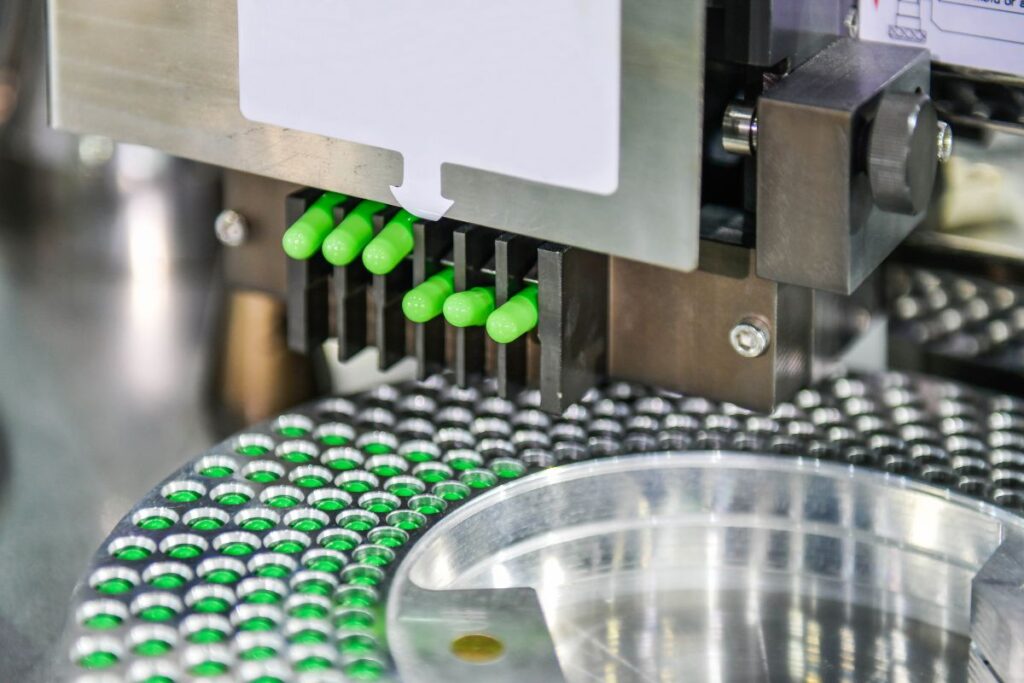
Pharmaceutical Industry
Protecting medicine and medical devices from moisture
Applications:
- Drug packaging to maintain efficacy and shelf life
- Medical device protection during shipping and storage
- Laboratory equipment moisture control
- Clinical trial material preservation
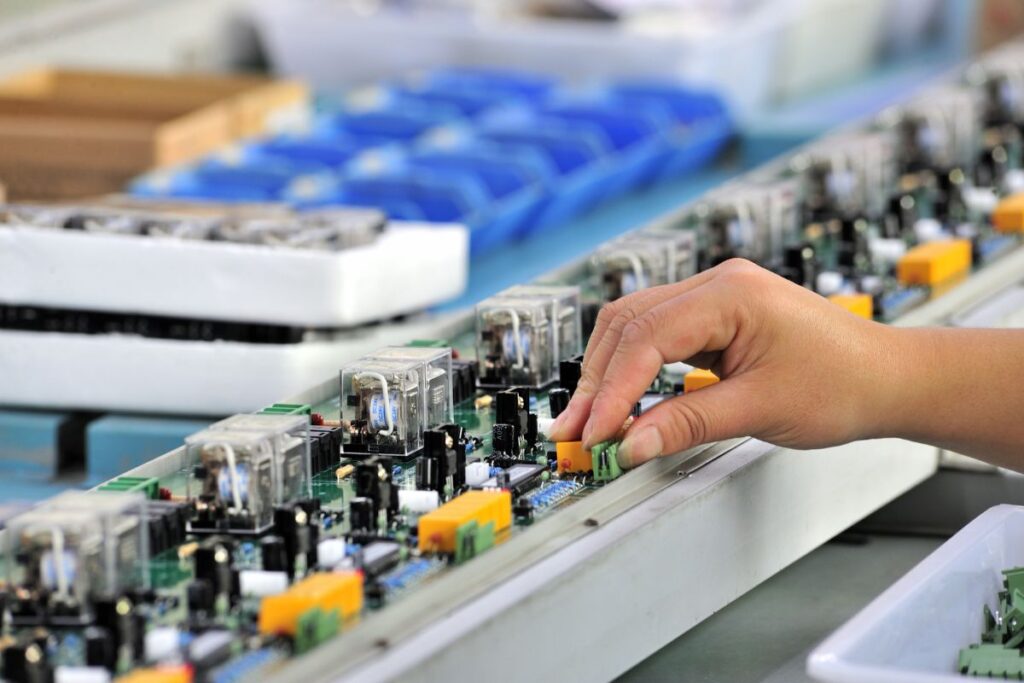
Electronics
Preventing moisture damage to sensitive electronic components
Applications:
- Shipping protection for electronic components
- Storage of PCBs and integrated circuits
- Camera and optical equipment protection
- Consumer electronics packaging
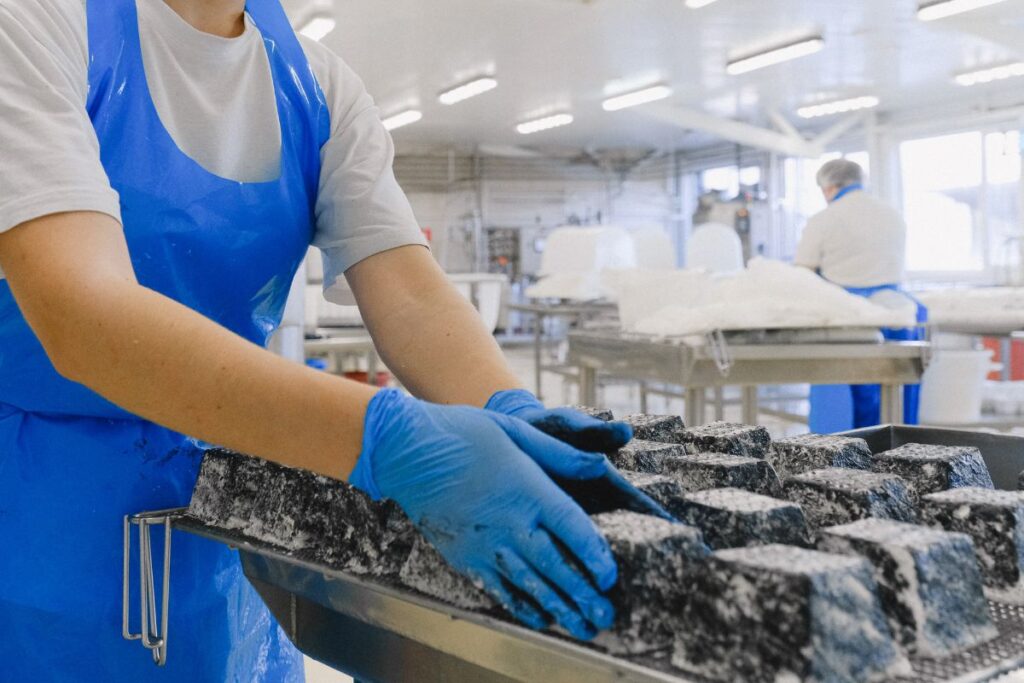
Food Industry
Extending shelf life by controlling moisture levels
Applications:
- Packaged food preservation
- Bulk grain and seed storage
- Dried food product packaging

Shipping & Logistics
Protecting goods during transportation across various climates
Applications:
- Container shipping moisture control
- Intermodal transport protection
- International shipping of moisture-sensitive goods
- Seasonal shipping challenges mitigation

Art & Collectibles
Preserving valuable items from humidity damage
Applications:
- Museum artifact preservation
- Art storage and transport
- Rare book and document protection
- Collectible storage solutions

Industrial Equipment
Preventing corrosion and moisture damage in machinery
Applications:
- Machine part preservation during storage
- Tool protection in humid environments
- Equipment mothballing solutions
- Electronics control panel protection
Benefits of Using Desiccants
- Prevents Corrosion: Reduces humidity that can cause metal components to corrode, extending product lifespan.
- Inhibits Mold Growth: Maintains dry conditions that prevent mold and mildew development in sensitive products.
- Extends Shelf Life: Significantly extends the usable life of many products by preventing moisture-induced degradation.
- Maintains Quality: Preserves product appearance, functionality, and integrity throughout shipping and storage.
- Reduces Packaging Costs: Can reduce the need for expensive moisture-barrier packaging in many applications.
- Protects Electronics: Prevents condensation that can damage circuit boards and electronic components.
FAQs
How do desiccants work?
Desiccants work through adsorption or absorption processes, attracting and holding water molecules from the surrounding environment. This effectively reduces humidity in enclosed spaces, protecting products from moisture damage.
How long do desiccants last?
The lifespan of a desiccant depends on its type, volume, the amount of moisture present, and the sealed environment. Most desiccants can last from several months to years in properly sealed containers. Indicators on some desiccants change color when they’ve reached saturation.
Are desiccants safe to use with food products?
Many desiccants are FDA-approved for use with food products, but they should never be consumed. Food-grade desiccants are specially manufactured to ensure safety when used in food packaging while preventing direct contact with food items.
Can desiccants be reused or regenerated?
Some desiccants, like silica gel, can be regenerated by heating them to drive off absorbed moisture. However, the process and effectiveness vary by desiccant type. Many commercial desiccants are designed for single use.
How do I choose the right desiccant for my application?
The right desiccant depends on factors including the application environment, temperature conditions, space constraints, and moisture protection requirements. Our technical team can help assess your specific needs and recommend the appropriate desiccant solution.
What's the difference between various desiccant types?
Different desiccants have varying adsorption capacities, activation temperatures, and environmental performance. Silica gel offers general purpose protection, molecular sieves work at extreme temperatures, clay desiccants are economical for basic applications, and activated carbon addresses both moisture and odor.